
Step 1
Pick Array Architecture
Start from the magnetic topology fit: planar, cylindrical, or multipole ring, mapped to your field strength requirements.
Source linear, multipole, and custom Halbach arrays with engineering support, project-specific tolerance planning, process quality control, and export-ready delivery.
Inquiry Email
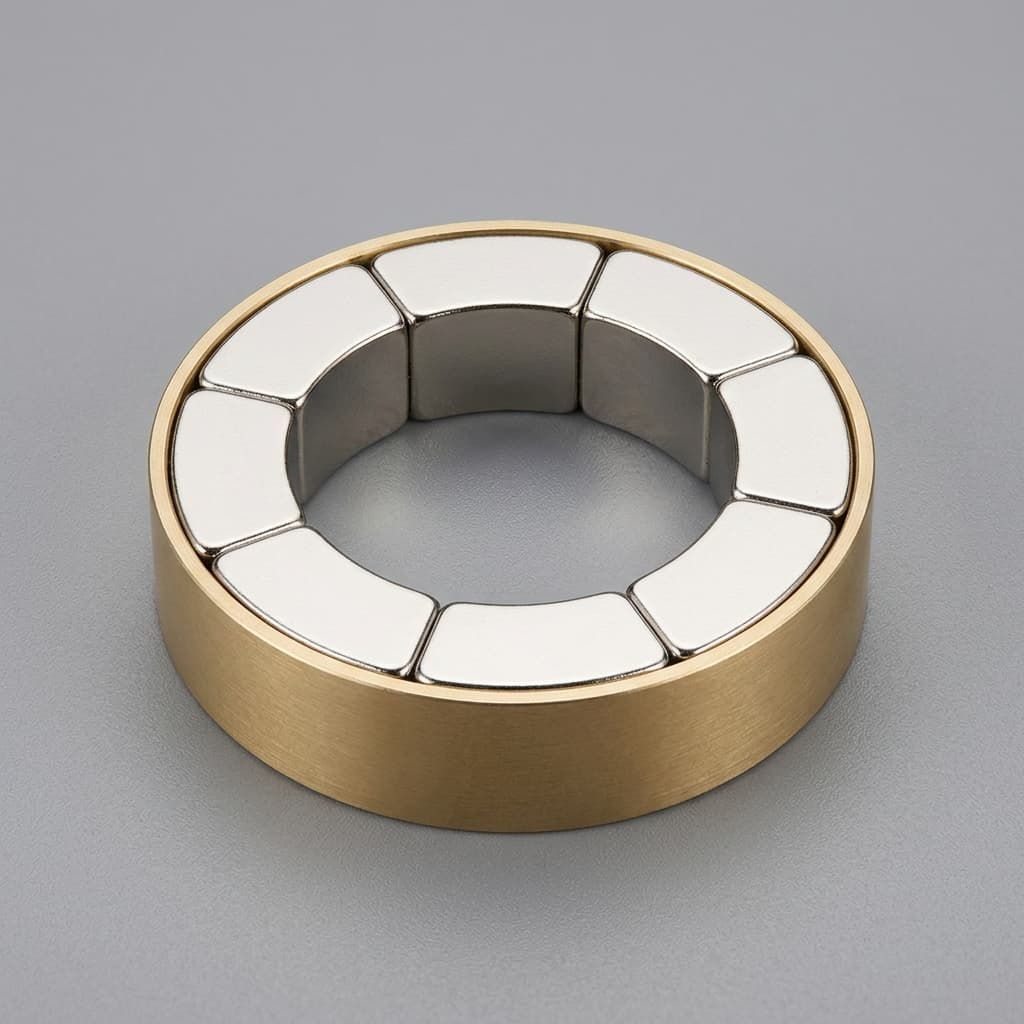
Operated from our facilities in Shenzhen and Dongguan with direct engineer-to-engineer communication from RFQ to sample build.
From multiphysics FEA simulation to physical prototypes in weeks, smoothly scaling to reliable mass production volumes.
Dimensional inspection and outgoing magnetic flux mapping to support agreed project tolerances.
Factory Capability Highlights
Custom magnetic assembly and simulation support designed for industrial automation, scientific instrumentation, and advanced motion teams.
Magnetization angle planning, fixture review, and measurement methods are matched to each qualified geometry and production target.
Advanced multi-physics simulation to validate magnetic flux density and thermal limits before prototype manufacturing.
Process quality planning, traceable inspection records, and controlled assembly protocols for repeatable magnetic performance.
Custom non-ferromagnetic clamping fixtures designed to handle extreme repulsive forces safely and accurately.
Capability Snapshot
A quick look at the boundaries we push in magnetic design, assembly precision, and delivery speed.
Alignment Planning
Rotor Options
Grade Options
Prototype Planning
Step 1
Start from the magnetic topology fit: planar, cylindrical, or multipole ring, mapped to your field strength requirements.
Step 2
Confirm your architecture against centrifugal limits, thermal envelope, and stray flux constraints before FEA simulation.
Step 3
Review inspection planning, non-ferromagnetic assembly protocols, and Ansys 3D simulation capabilities.
Explore our core product lines, precision-machined and assembled in controlled non-ferromagnetic work areas.
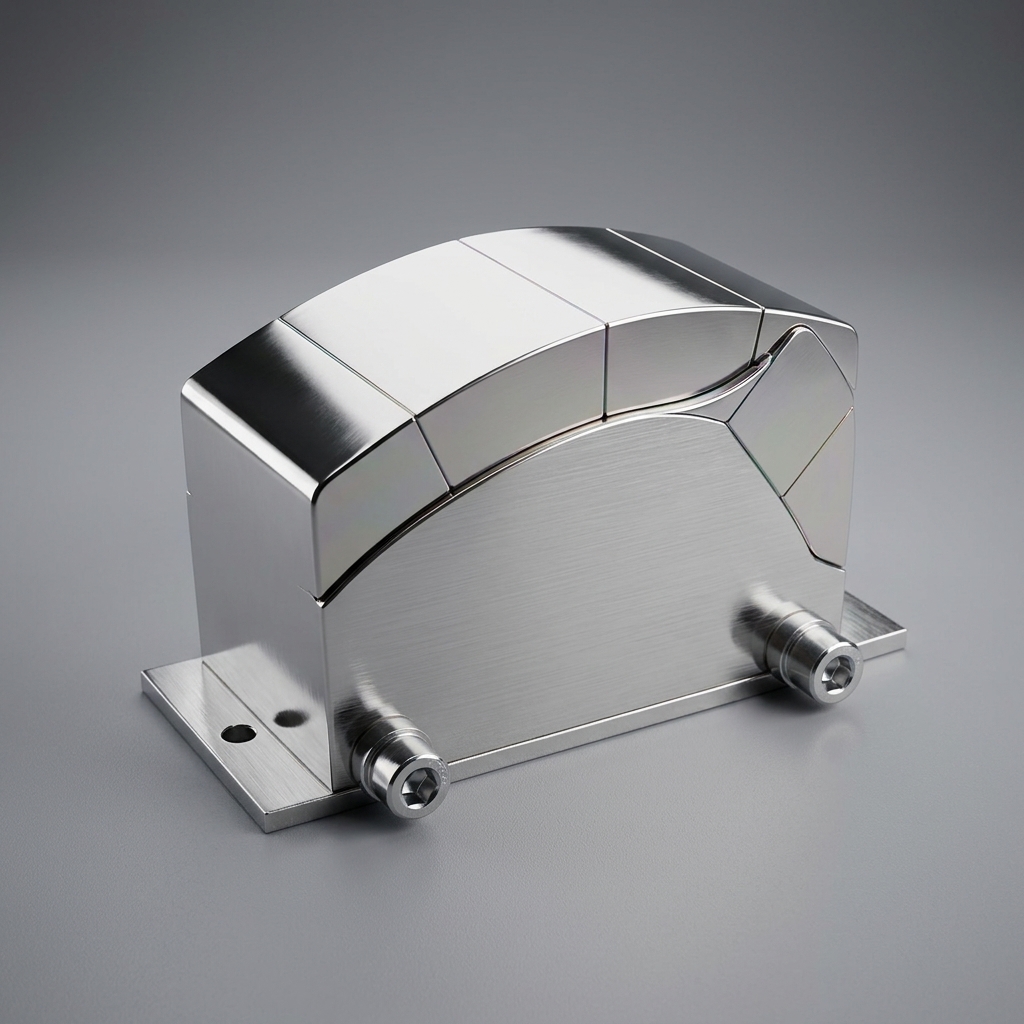
Planar and linear permanent magnet arrays designed for high-thrust linear motors, maglev systems, and long-form motion applications.
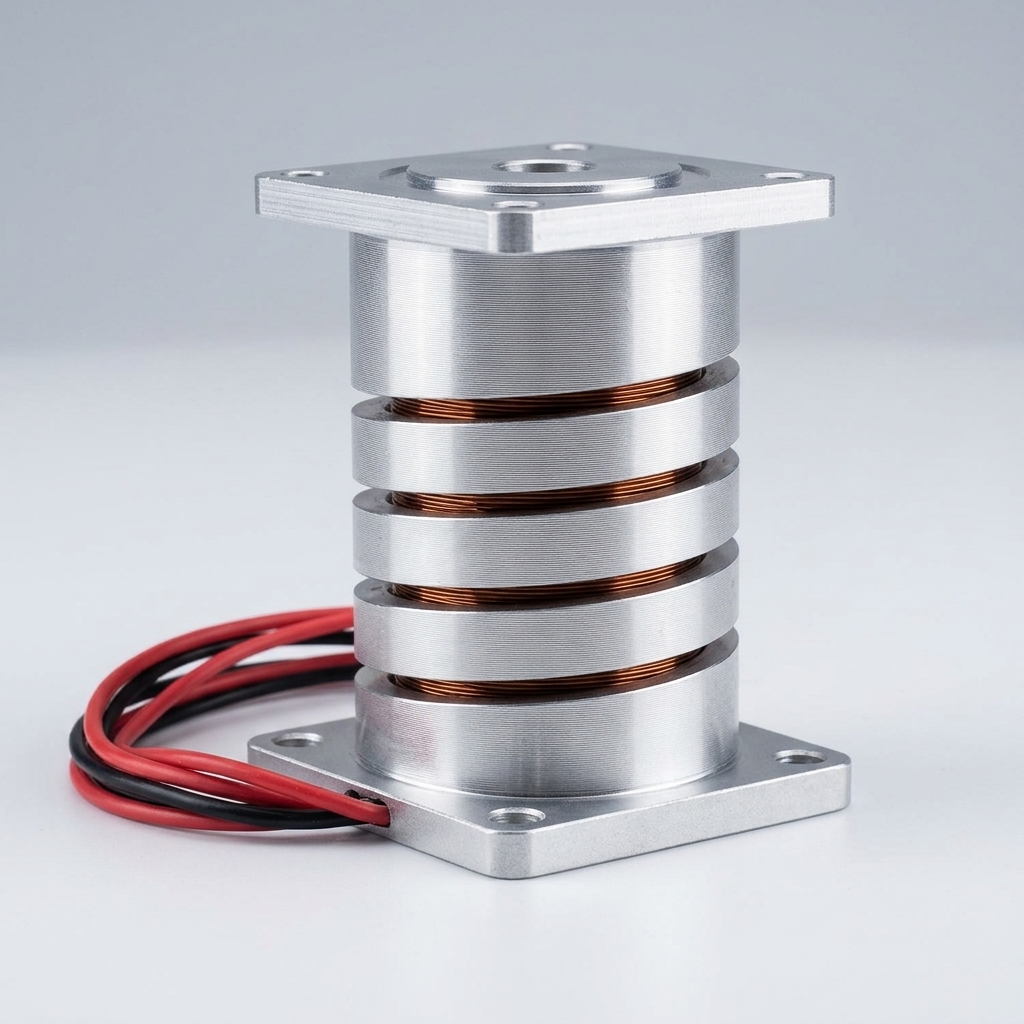
Multi-pole magnetic cylinders producing highly homogeneous dipole, quadrupole, or octupole fields for medical and scientific instrumentation.
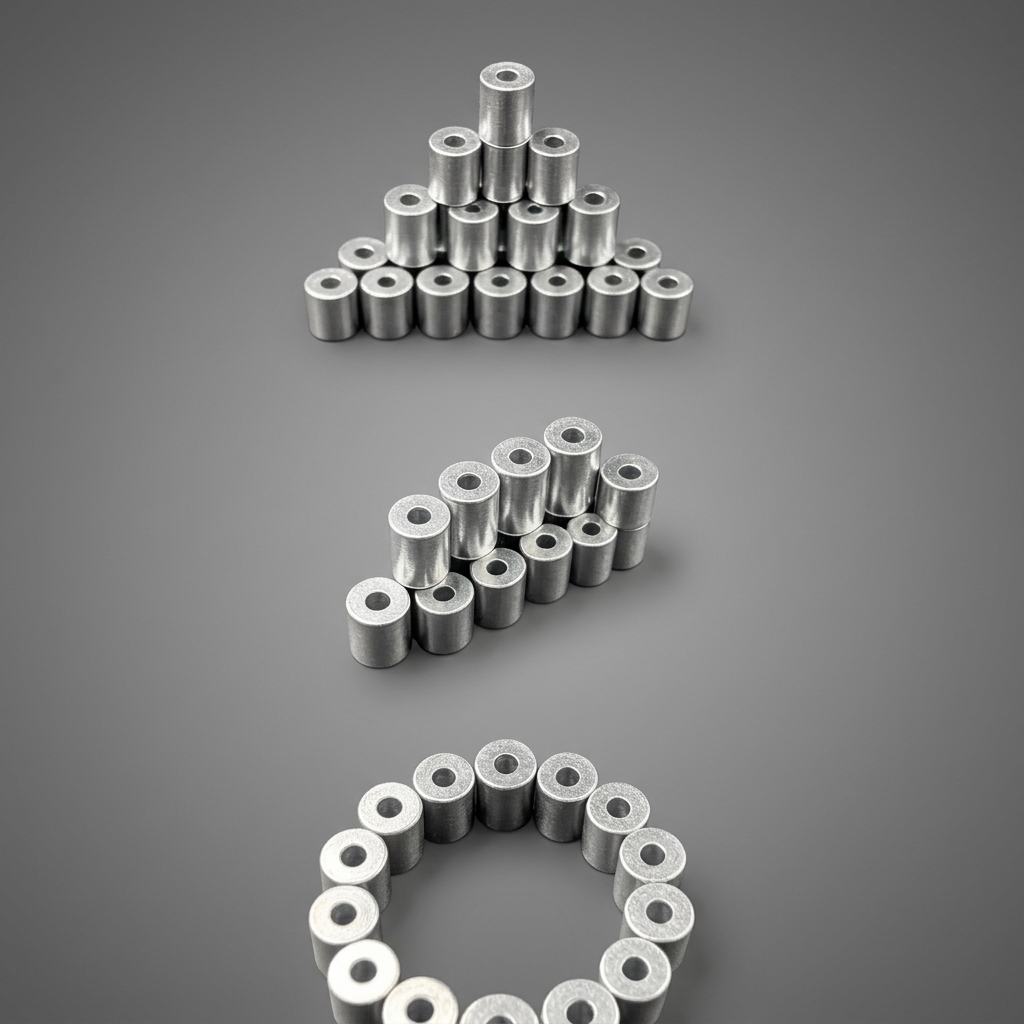
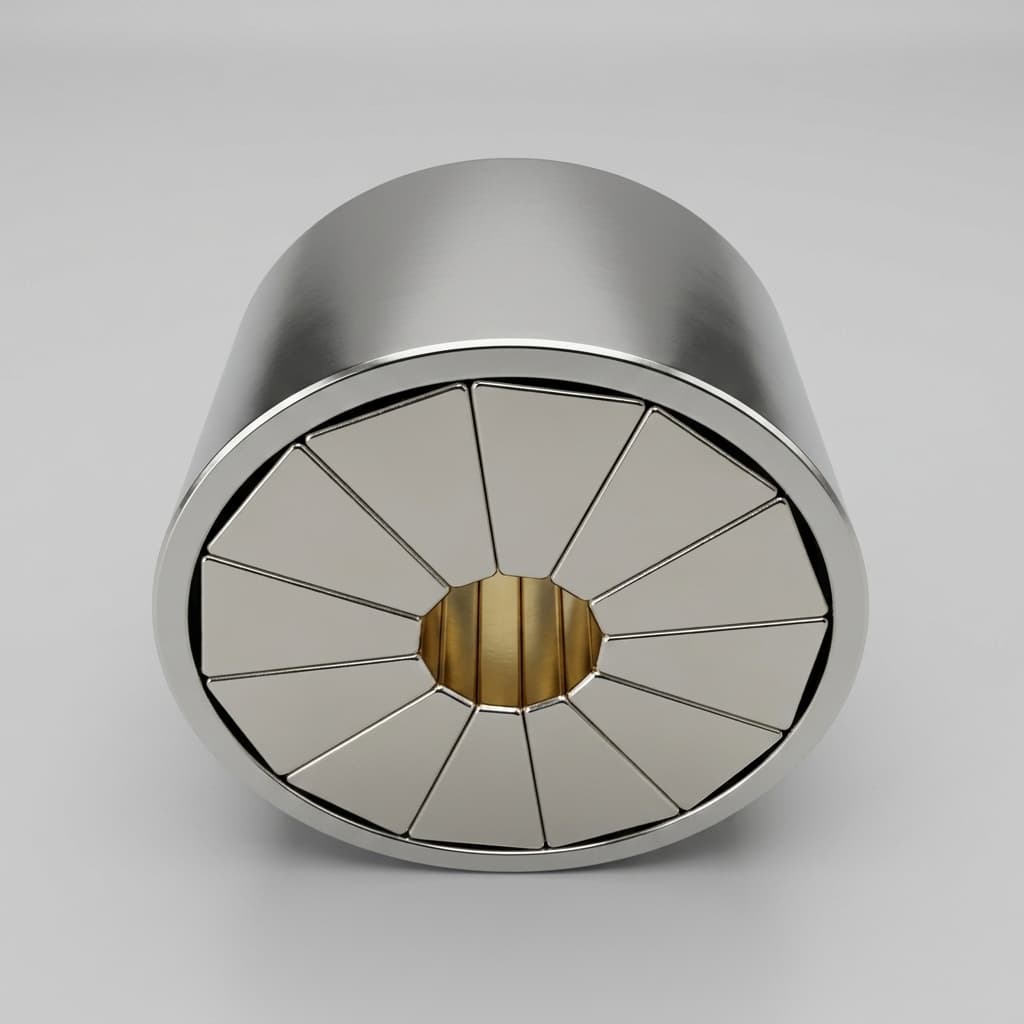
High-speed radial and axial multi-pole rings engineered for flywheel energy storage, magnetic bearings, and offshore wind turbines.
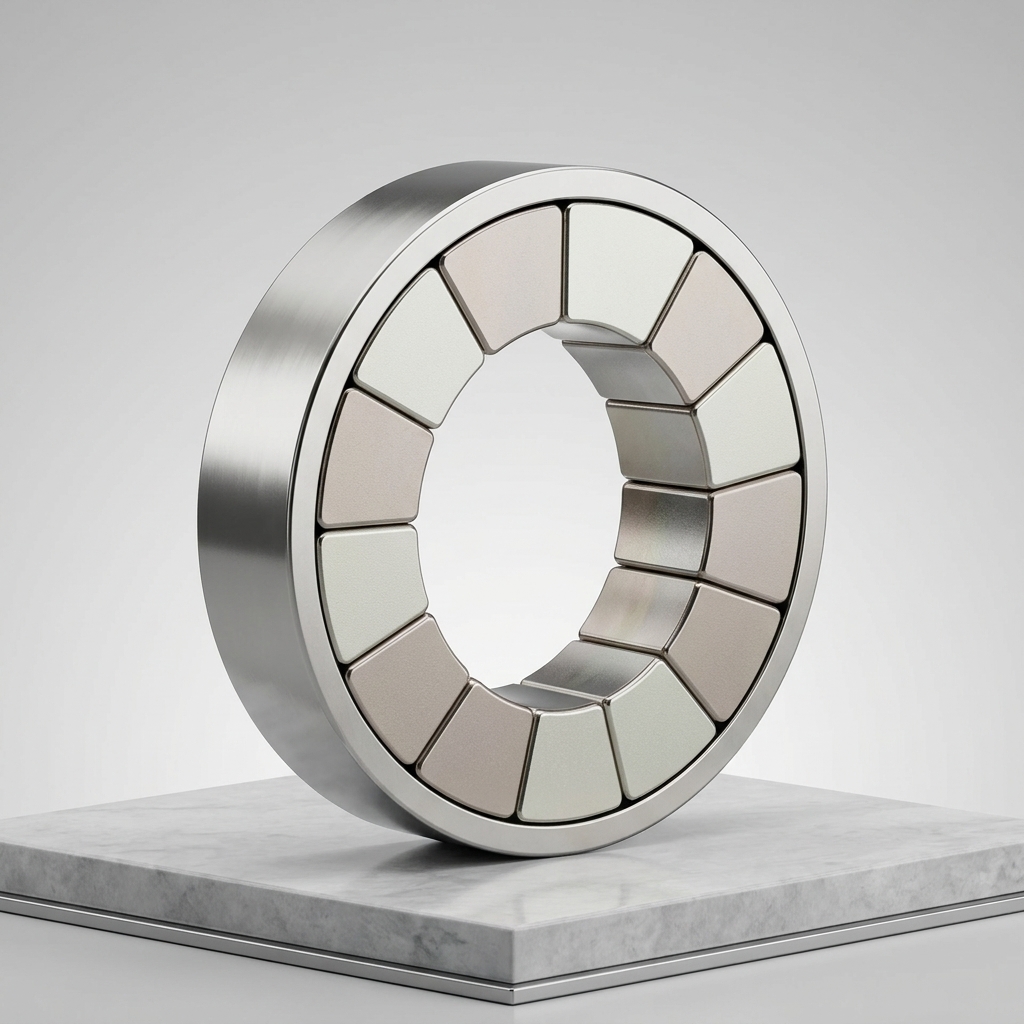
Ultra-compact permanent magnet arrays designed for micro-robotics, optical focusing, and precision voice coil motors where weight and space are strictly constrained.
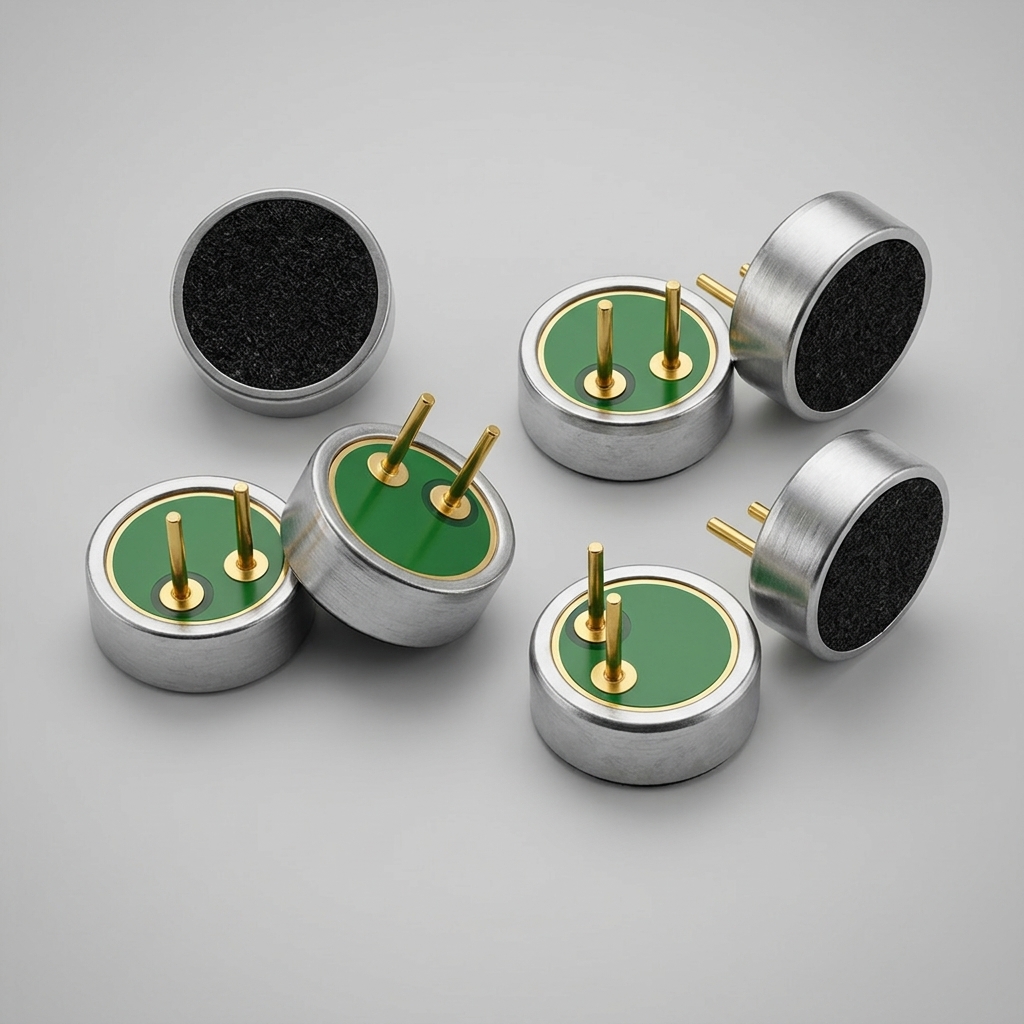
End-to-end design, rapid prototyping, and volume manufacturing for complex, non-standard Halbach topologies that defy standard planar or cylindrical definitions.
This quick matrix helps mechanical and magnetic engineers compare major options before initiating a multiphysics FEA thread.
| Family | Best Fit | Key Metric | Why It Matters |
|---|---|---|---|
| Linear Halbach Arrays | Motion engineers, robotics integrators, and transportation R&D teams. | Magnetic Alignment Tolerance: Project target dependent | Crucial for sinusoidal field uniformity and eliminating cogging forces. |
| Precision Halbach Cylinders | Scientific instrument developers, particle physicists, and lab equipment suppliers. | Field Homogeneity: < 50 ppm (with shimming) | Directly impacts the resolution and accuracy of MRI/NMR scans and particle beams. |
| Halbach Rings | Energy storage manufacturers, heavy industrial engineers, and renewable energy integrators. | High-Temp Grades: N48SH, SmCo 2:17 | Prevents irreversible thermal demagnetization in enclosed, high-friction environments. |
| Miniature Halbach Arrays | Consumer electronics engineers, optics designers, and micro-robotics developers. | Minimum Segment Size: 0.5mm – 1mm | Allows true Halbach rotation in form factors previously restricted to simple dipoles. |
| Custom Halbach Design & Prototyping | Principal investigators, R&D directors, and product engineering leaders. | Prototype Lead Time: 4 – 8 Weeks | Accelerates hardware iteration cycles for time-critical R&D funding milestones. |
Practical buyer-side checklists, decision frameworks, and technical insights directly from our factory engineering team.
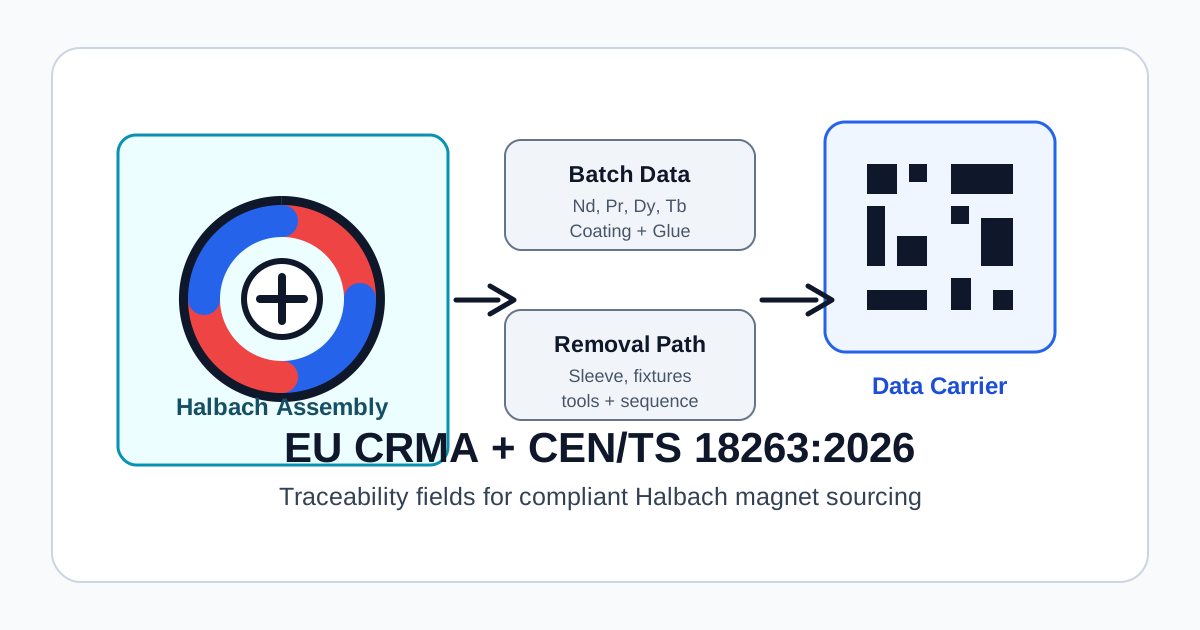
Prepare Halbach magnet sourcing for EU CRMA and CEN/TS 18263:2026 with supplier data fields, recycling risks, RFQ checklist, and contact review steps.

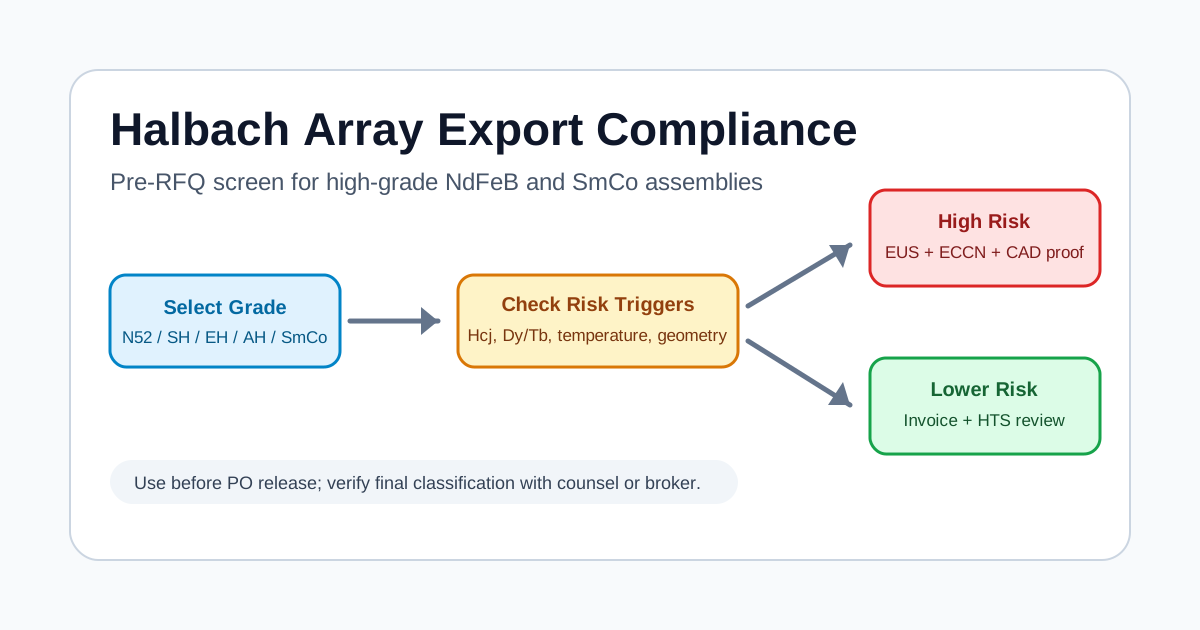
Procurement guide to sourcing high-grade NdFeB and SmCo Halbach arrays without dual-use export control delays, customs seizures, or legal penalties.
Compare Low-HRE NdFeB vs SmCo for global Halbach magnet assemblies in 2026. Review temperature limits, supply risks, and RFQ checks before custom sourcing.
FAQ
Send your CAD files and target flux requirements. Our engineering team will define the FEA scope, sample path, inspection plan, and prototype timeline for your project.
Inquiry Email
If your team is evaluating magnetic array suppliers, start with a workflow that combines Ansys FEA validation, project-specific tolerance controls, and safe assembly planning. This avoids the common failure mode where field strength looks correct on paper but fails during physical prototyping due to stray flux or adhesive sheer stress.
| Decision Stage | Best Page | What You Gain |
|---|---|---|
| Architecture fit | Products | Compare planar vs cylindrical arrays, multipole logic, and RFQ input requirements. |
| Application risk | Industries | Review centrifugal stress limits, MRI bore mapping, and measurable validation checkpoints. |
| Supplier execution | Quality & Assembly | Understand tolerance planning, material traceability, inspection scope, and safe assembly governance. |
| FEA Simulation Validation | Engineering | Learn how Ansys Maxwell and COMSOL eliminate trial and error for complex magnetic topologies. |
| Execution start | Contact / RFQ | Use the inquiry checklist to reduce quote loops and get a faster actionable response. |
For deeper decision support, review our engineering blog where each post includes practical buyer-side checklists.